
Urban homes and apartments require rat repellents that are safe, non-toxic, and suited for confined spaces with multiple entry points. Natural options like peppermint, eucalyptus oils, and dried herbs effectively deter rodents without harmful chemicals rat pest control. Electronic ultrasonic devices offer odorless deterrence but perform best when combined with other methods. Targeted application in shared walls maximizes impact, especially alongside sealing gaps and maintaining cleanliness. Exploring these approaches reveals thorough strategies for sustained rat control in city settings.
Why Urban Homes Need Specialized Rat Repellents
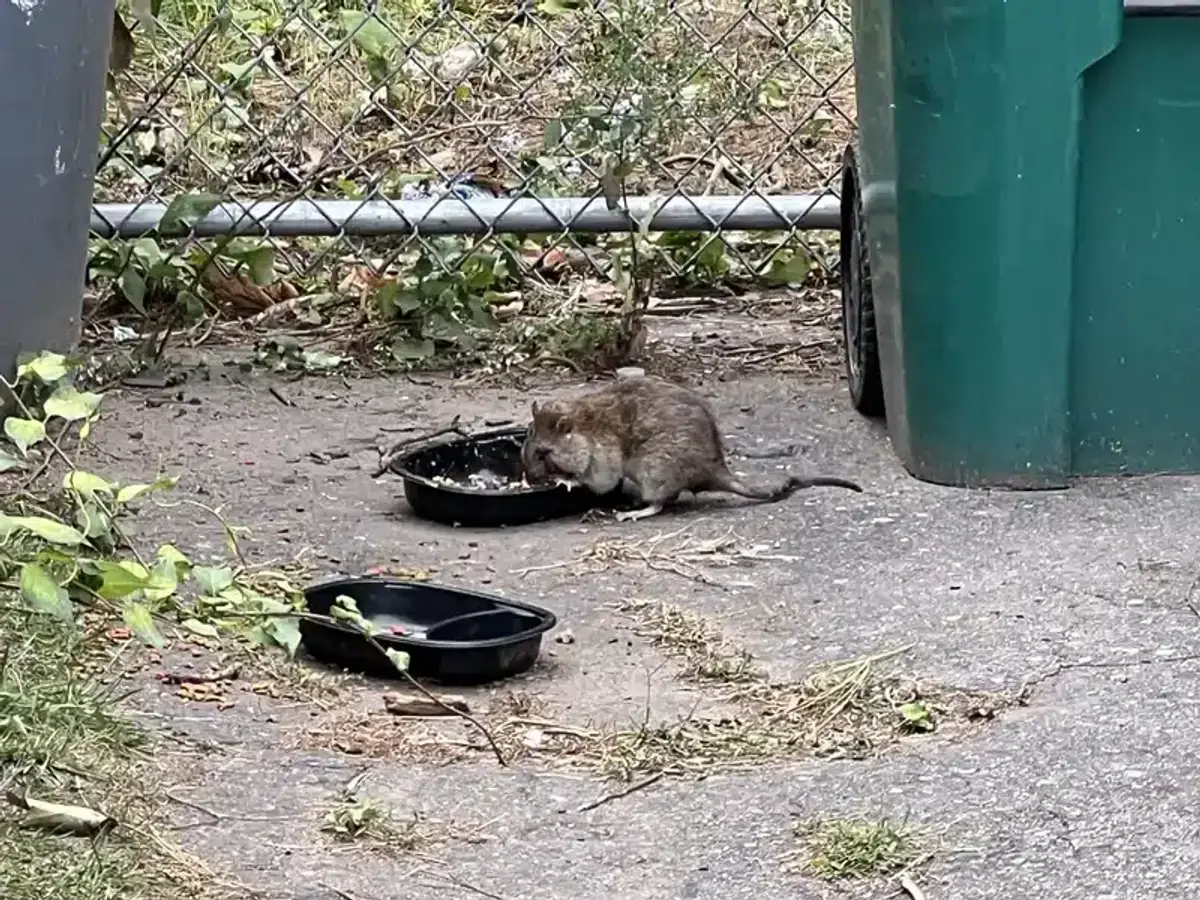
In densely populated urban environments, the challenges posed by rat infestations differ markedly from those in rural areas. Urban homes face constant pressure from limited space, abundant food sources, and dense infrastructure igreenasia, creating ideal conditions for rats to thrive.
Unlike rural settings, where natural predators help control rodent populations, cities lack such ecological balance, allowing rats to multiply rapidly. Additionally, urban dwellings often have multiple entry points through aging pipes, vents, and gaps, increasing vulnerability.
Effective rat repellents for these environments must be safe for confined spaces, non-toxic to humans and pets, and capable of addressing the unique behavior patterns of city rats. Specialized repellents empower residents to reclaim their living spaces, preserving freedom from invasive pests without compromising health or comfort.
Top Natural Rat Repellents Safe for Apartments
Addressing rat infestations in urban apartments requires solutions that prioritize safety and effectiveness within confined living spaces. Natural rat repellents offer a non-toxic alternative that respects residents’ health and freedom from harsh chemicals.
Essential oils like peppermint, eucalyptus, and citronella emit scents rats find unpleasant, deterring their presence when applied to cotton balls or sprays around entry points. Similarly, dried herbs such as lavender and bay leaves act as subtle yet effective barriers.
Ammonia’s strong odor mimics predator urine, discouraging rodents without harming humans or pets when used cautiously. These methods combine ease of use with minimal intrusion, empowering apartment dwellers to maintain control over their environment naturally.
Selecting natural repellents aligns with a desire for safe, sustainable, and unobtrusive pest management in urban living.
Electronic and Ultrasonic Rat Repellent Options
Frequently chosen for their convenience and non-chemical approach, electronic and ultrasonic rat repellents emit high-frequency sounds intended to deter rodents without disturbing humans. These devices work by creating an uncomfortable environment for rats, encouraging them to vacate treated areas.
Their silent operation allows people to maintain peace while addressing infestations. However, effectiveness varies based on room layout, obstacles, and rat acclimation.
Placement near entry points maximizes impact, but results are not guaranteed. Users appreciate the freedom from toxic substances and traps, making these repellents appealing for urban apartments.
Despite mixed reviews, they offer a hassle-free option for rat control that aligns with a desire for safe, odorless, and non-lethal pest management. Regular use and combining with other methods often improve outcomes.
How to Use Rat Repellents Effectively in Shared Walls
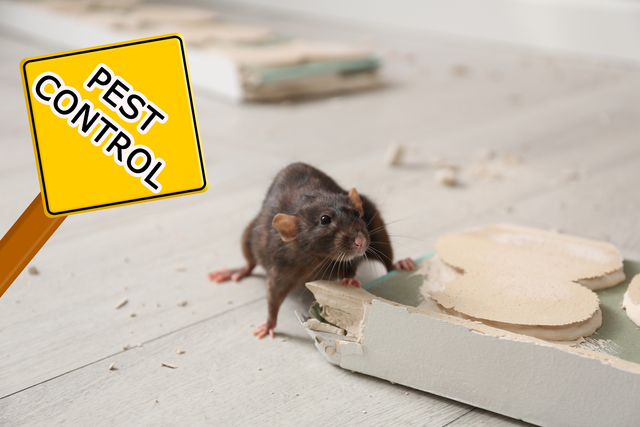
Where do rats commonly infiltrate in urban homes with shared walls? They often enter through small cracks, gaps around pipes, electrical outlets, and unsealed utility lines connecting adjoining units.
To use rat repellents effectively in these spaces, it is vital to identify and target these entry points precisely. Applying repellents directly into crevices and behind wall panels guarantees maximum impact where rats travel.
Combining ultrasonic devices with natural deterrents like peppermint oil can enhance effectiveness without intruding on neighbors’ comfort. Consistent application and monitoring of repellent placement maintain a hostile environment for rats, minimizing their movement through shared walls.
This focused approach preserves personal freedom by discouraging pests without relying on invasive or harmful measures, maintaining a peaceful living space for all residents.
Combining Repellents With Prevention for Long-Term Control
Effectively managing rat infestations in urban homes requires integrating repellents with preventive measures to achieve long-term control. Repellents alone offer temporary relief, but combining them with proactive steps guarantees lasting freedom from rodents.
Key prevention strategies include:
- Sealing entry points like cracks and gaps to block rat access.
- Maintaining cleanliness by removing food sources and clutter.
- Securing garbage in tight containers to avoid attracting rodents.
- Regularly inspecting shared walls and common areas for early signs.
Conclusion
Urban homes and apartments face unique challenges in managing rat infestations, necessitating specialized repellents that are safe and effective in close living quarters. Natural options provide a non-toxic approach, while electronic and ultrasonic devices offer modern solutions. Proper use, especially in shared walls, enhances effectiveness. Combining repellents with preventive measures such as sealing entry points guarantees long-term control, creating a healthier, rat-free environment for urban residents.